Choose a language and wait for the translated text.
Shots:
PureWay Compliance is simplifying healthcare compliance and waste management through digital tools that bring employee training, safety-plan management, electronic SDS, audits, regulatory updates, documentation, and waste tracking into a more accessible and centralized system, helping healthcare organizations reduce administrative burden and improve consistency.
The company is taking a proactive and flexible approach to healthcare waste management, addressing common compliance gaps such as outdated training, incomplete documentation, improper waste segregation, and sharps-management issues while tailoring solutions across regulated medical, pharmaceutical, hazardous, and other waste streams based on organizational needs, volumes, and regulatory requirements.
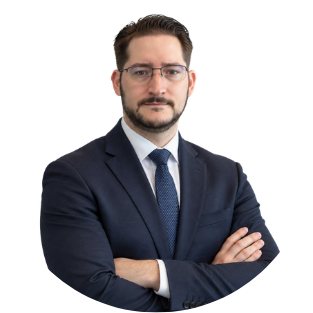
PharmaShots welcomes Jeff Miglicco, CEO and Co-Founder of PureWay Compliance, who shares insights on digital innovation in healthcare compliance, proactive waste-management strategies, flexible customer-focused service models, sustainability and recycling initiatives, evolving regulatory and environmental expectations, and PureWay’s vision to make compliance simpler, more transparent, and easier to manage at scale.
Saurabh: PureWay Compliance focuses on making OSHA compliance and healthcare waste management simpler and more accessible. How is digital innovation helping PureWay simplify traditionally complex compliance processes for healthcare organizations?
Jeff: Digital innovation is really about taking compliance activities that have traditionally been manual, fragmented, and difficult to manage and making them much easier for healthcare organizations to execute consistently.
At PureWay, we’ve focused on using technology to bring more of that process into one accessible system. For example, our compliance tools support online employee training, administrative controls and reporting, safety-plan creation and management, electronic SDS management, online safety audits, regulatory update notifications, and automated updates to written plans. On the waste-management side, our digital portal also helps customers track orders, access electronic certificates, maintain records, receive shipment and return notifications, and manage reordering.
That becomes especially valuable for healthcare organizations with multiple locations or frequent staffing changes. Instead of relying on binders, spreadsheets, or individual employees to remember every compliance task, technology can create greater consistency, accountability, and visibility across the organization.
I don’t believe technology should replace the human side of compliance, though. We combine those digital tools with assessments and access to compliance and waste specialists who can help organizations understand where their risks are and what actions they should take.
Ultimately, our approach to digital innovation is a very simple approach: reduce the administrative burden, simplify access to compliance information, and give healthcare teams more confidence that the right processes are being followed.
Saurabh: Small and mid-sized healthcare facilities often face significant challenges in managing OSHA requirements, medical waste, sharps disposal, and documentation. What are some of the most common compliance gaps, and what strategies can organizations adopt to address them proactively?
Jeff: One of the biggest challenges I see, particularly with small and mid-sized healthcare organizations, is that compliance problems rarely come from one major failure. They tend to come from small gaps in everyday processes or a lack of processes that accumulate over time.
Some of the most common gaps are inconsistent or outdated employee training, incomplete documentation, an Exposure Control Plan that hasn’t been properly maintained or updated, improper waste segregation, overfilled sharps containers, incorrect labeling, and medical waste that isn’t being stored or handled properly. Staff turnover can make those problems even more difficult because new employees may not receive the same level of training or understand the procedures that have been established.
The first thing I encourage organizations to do is stop treating compliance as a one-time or even an annual event. It needs to become part of the operating culture of the organization.
That means establishing clear procedures, providing initial and recurring training, keeping training and compliance records current, regularly reviewing the Exposure Control Plan, and conducting internal audits before a regulator ever walks through the door. Even regular safety meetings can help keep compliance top of mind and give employees an opportunity to identify problems before they become incidents.
Waste management also needs to be standardized. Employees should know exactly how to classify different waste streams, how they are segregated, where sharps go, when containers need to be replaced, how waste is stored, and what documentation must be retained. Organizations with multiple locations should be especially focused on creating consistent processes and standardize as much as possible across every facility.
Finally, don’t assume that because you’ve always done something a certain way, it’s still compliant. OSHA requirements are only one part of the picture. Depending on the waste stream and location, healthcare organizations may also have state and local medical waste requirements and transportation requirements to consider.
Saurabh: From sharps and regulated medical waste to pharmaceutical and hazardous waste, PureWay offers solutions across multiple waste streams. How is PureWay helping healthcare organizations develop more efficient, compliant, and cost-effective waste management programs?
Jeff: Healthcare waste management can become complicated very quickly because an organization may be dealing with multiple waste streams, high and low volumes, multiple regulations, multiple locations both residential and commercial, and sometimes multiple vendors. Our approach at PureWay is to step back and look at the entire program.
We start with evaluation and identification. Our experts assess how an organization is currently managing regulated medical waste, sharps, pharmaceutical waste, hazardous waste, and its broader compliance responsibilities. From there, we can identify potential gaps, unnecessary costs, and opportunities to simplify the program.
A big part of efficiency is making sure you’re using the right solution for the amount and type of waste you’re actually generating. A smaller generator may be better served by a mail-back solution, while a higher-volume facility may need scheduled route service. We also offer flexibility in service frequency and service levels so the program can adjust as an organization’s needs change.
Waste segregation is another important piece. When waste is over classified or placed into a more expensive waste stream than necessary, organizations can increase their disposal costs. That’s why we look at state requirements to start, segregation, minimization, and overclassification as part of the overall program.
For organizations managing multiple waste streams, consolidation can also create efficiencies. PureWay can support regulated medical waste, sharps, pharmaceutical and hazardous waste, as well as OSHA and HIPAA compliance. Having one partner that understands how those different programs work together can reduce administrative complexity and give the organization better visibility and consistency.
Most importantly, we don’t view implementation as the end of the process. Healthcare changes, regulations change, and waste volumes change. Your waste management strategy needs to be flexible enough to change with them.
Saurabh: PureWay emphasizes flexible solutions, including no required long-term contracts, straightforward pricing, and flexible billing and service options. How is this approach helping redefine the customer experience in medical waste management and compliance services?
Jeff: One of the things we wanted to challenge at PureWay was the idea that medical waste management has to be complicated for the customer.
Traditionally, healthcare organizations can find themselves locked into long-term agreements, paying recurring fees, or operating around predetermined pickup schedules that may not reflect the amount of waste they actually generate. We believe the service should adapt to the customer, not force the customer to adapt to the service.
That’s why flexibility has become such an important part of the PureWay experience. We don’t require long-term contracts, and we offer solutions that allow customers to purchase services based on their actual needs.
Transparency is equally important. Customers should understand what they’re paying for and what they’re receiving. With many of our mail-back systems, for example, the container, return shipping, treatment and disposal documentation are incorporated into the solution. That helps eliminate some of the uncertainty and administrative burden that can come with managing multiple charges and service requirements.
Our goal is to make the entire process easier, from ordering and returning waste to compliance tracking, notifications, documentation, and access to certificates of destruction. We’re not just creating another layer of complexity. Healthcare organizations already have enough to manage. Our responsibility is to provide a compliant solution that is straightforward, flexible, transparent, and capable of changing as their needs change.
Saurabh: As regulatory requirements become increasingly complex, how can technology, compliance tracking, documentation, and proactive advisory support help organizations reduce risk and maintain continuous compliance?
Jeff: Technology can turn compliance from a reactive exercise into an ongoing process. Centralized tracking, digital documentation, automated regulatory updates, online training, safety-plan management, and audit tools give healthcare organizations greater visibility into what has been completed and where potential gaps exist. At PureWay, we also help customers keep important waste records and tracking documents organized and accessible, which can reduce the administrative burden when an audit or inspection occurs.
Technology alone isn’t enough, though. Regulations and operational needs change, so proactive advisory support is equally important. Our specialists can assess a facility’s compliance and waste programs, identify potential risks, and recommend practical improvements. Combining technology with good documentation and knowledgeable human support helps organizations identify issues earlier, maintain stronger accountability, and make compliance part of everyday operations rather than something they address only when an inspection is approaching.
Saurabh: Healthcare waste management has an important environmental dimension. How is PureWay incorporating sustainability into its operations, including recycling, waste treatment, and efforts to reduce the environmental impact of transportation and disposal?
Jeff: Sustainability is an important part of how we think about healthcare waste management at PureWay. We focus on treatment solutions that are more energy-efficient and designed to maximize recoverable materials that can be recycled into other industries. We also provide recycling programs for specific waste streams, such as dental amalgam, where collected material is sent to certified mercury recycling facilities rather than simply entering the general waste stream.
Transportation is another part of that equation. Our mail-back programs allow customers to return waste when containers are full rather than relying solely on recurring pickup schedules, and we offer different container sizes so customers can select a solution appropriate for their waste volume.
Across PureWay, the goal is to look beyond compliant disposal alone and continually find practical ways to reduce waste, recover materials where possible, and lessen the environmental footprint associated with healthcare waste management.
Saurabh: PureWay serves healthcare providers, pharmacies, pharmaceutical manufacturers, dental facilities, veterinary clinics, home healthcare organizations, and other sectors. How does PureWay tailor compliance and waste management strategies to address the distinct requirements of different healthcare environments?
Jeff: Every healthcare environment generates different types and volumes of waste and operates under different regulatory and workflow requirements, so we don’t believe in a one-size-fits-all approach. We look at what waste streams an organization generates, its volume, number of locations, operational workflow, and applicable federal and state requirements, and then build a solution around those needs. That might mean mail-back sharps disposal for a smaller practice, scheduled services for a larger facility, medication mailback envelopes for pharmacies, or amalgam recycling for dental clinics.
The key is understanding how compliance fits into the customer’s actual day-to-day operations. A veterinary clinic, dental practice, and pharmaceutical manufacturer all have different challenges. By combining appropriate waste solutions with documentation, compliance tracking, flexible service options, and access to knowledgeable support, we can simplify the process while helping each organization maintain a safer and more compliant program.
Saurabh: PureWay combines compliance expertise, digital tools, and dedicated customer support across its waste management and compliance solutions. How is this integrated approach helping simplify compliance and create a more seamless experience for healthcare organizations?
Jeff: Healthcare organizations shouldn’t have to manage waste disposal, compliance documentation, training, and support as disconnected activities. At PureWay, we bring those pieces together so customers have a more streamlined experience, from compliant waste solutions and tracking documentation to digital compliance resources and access to experts who can help answer questions and identify potential gaps.
That integration helps reduce administrative burden and gives organizations greater visibility and confidence in their compliance programs. Our goal is to make the process as straightforward as possible, so healthcare teams can spend less time managing vendors, paperwork, and logistics and more time focused on their patients and their operations.
Ultimately, technology makes compliance easier to manage, but knowledgeable people and responsive service are what make the entire experience work.
Saurabh: Looking ahead, what trends are expected to have the greatest impact on OSHA compliance, healthcare waste management, and environmental responsibility over the next three to five years?
Jeff: Over the next three to five years, I think we’ll see two major forces shaping our industry: greater use of technology in compliance and much stronger expectations around environmental responsibility.
Compliance is becoming increasingly data-driven, with electronic reporting, digital documentation, automated tracking, and emerging technologies giving organizations better visibility into risk.
Sustainability will also become a bigger part of how organizations evaluate their waste programs. It won’t be enough to simply ask whether waste was disposed of compliantly; organizations will increasingly look at how much waste they generate, what can be recovered or recycled, and how treatment and transportation affect their environmental footprint.
Saurabh: What is the long-term vision for PureWay Compliance, and how is the company planning to evolve its technology, services, and customer experience to further simplify compliance for healthcare organizations?
Jeff: Our long-term vision is to continue making healthcare compliance and waste management simpler, more transparent, and easier to manage at scale. As PureWay grows, technology will play an increasingly important role in that experience. We want to give customers better access to documentation, compliance tracking, notifications, and the information they need to manage their programs effectively. At the same time, we want to continue expanding flexible solutions that can serve everyone from an individual practice to a large multi-site healthcare organization.
Growth for us isn’t just about adding technology or services. It’s about removing friction from the customer experience. We want to keep bringing waste management, compliance expertise, digital tools, and responsive support together so customers can spend less time navigating complexity and more time focused on their organizations and their patients. The goal is to continue earning customer loyalty by making compliance easier at every step.
About Jeff Miglicco
Jeff Miglicco is the CEO and co-founder of PureWay Compliance, Inc., a healthcare waste-management and compliance company focused on providing safe and convenient solutions for the disposal of medical sharps and other healthcare waste. He has built his career through experience in sales, entrepreneurship, marketing, and logistics. Through PureWay, Miglicco has worked to make healthcare-waste disposal more accessible for healthcare providers, businesses, and individuals while emphasizing safety and regulatory compliance. He is based in the Houston, Texas area and remains actively involved in the growth and development of PureWay Compliance.
The post Jeff Miglicco on Digital Compliance & Healthcare Waste Management: PureWay’s Vision for Safer, Sustainable Operations appeared first on PharmaShots.